

India Wants Sovereign AI
India is inviting bids to add up to 10,000 AI chips to a subsidised public pool that must stay on Indian soil. It keeps data at home, but the chips are still imported.
India wants AI that answers to India. Its latest move shows how far that goal can go today, and where it stops. A national computing pool can keep data at home, but the chips inside it still come from abroad.
On October 7, C-DAC, a research agency under India's IT ministry (MeitY), invited companies to bid to provide computing power from up to 10,000 more AI chips for the IndiaAI Mission. Its shared pool already counts more than 38,000 GPUs and is offered at subsidised rates to startups, researchers, universities and government teams. Bids close October 29. This is a call for bids, not a purchase. Winning providers join a panel first, and actual orders come later.
Home Soil, Foreign Silicon
The rules are strict about location. Each cluster needs at least 512 chips in a single data centre in India, and all data, logs and backups must stay in the country. Providers would run the service for five years.
Officials have explained why this matters. MeitY Secretary S. Krishnan warned that relying on proprietary AI models risks sending Indian data abroad, with those models "learning at the cost of our data." India is leaning toward open models it can run at home.
Yet the tender names Nvidia's H100 and H200 chips, or equivalents, as the hardware it has in mind. India approved a major chipmaking push in July, but its AI pool still runs on imported GPUs.
What Sovereign Really Means
Sovereignty here is about control, not self-sufficiency. India gets to decide where the data sits, who can use the machines and what they cost. It does not yet decide who makes the chips or how many it can get.
For businesses and startups, that is still good news. Cheaper local computing lowers the cost of building AI, and keeping data onshore makes privacy rules easier to follow. As with Malaysia's planned sovereign cloud, the real test is whether the capacity gets built and used.
Sources
- C-DAC, Request for Empanelment of AI Service Providers for Provisioning of AI Compute Capacity (RFE No. C-DAC/GPU/01/2026), October 7, 2026
- C-DAC, Date change corrigendum, RFE No. C-DAC/GPU/01/2026, October 13, 2026
- MediaNama, MeitY invites AI compute providers to supply 10,000 GPUs under IndiaAI Mission, October 13, 2026
- WION, India moves to buy 10,000 more AI chips for a national compute pool open to startups, October 19, 2026
- The Financial Express, Regulations, risks, and open source: India's three-pronged strategy for sovereign AI, October 9, 2026
- Predictive Systems, A Sovereign Cloud for Malaysia, With Free ChatGPT on the Side, October 11, 2026
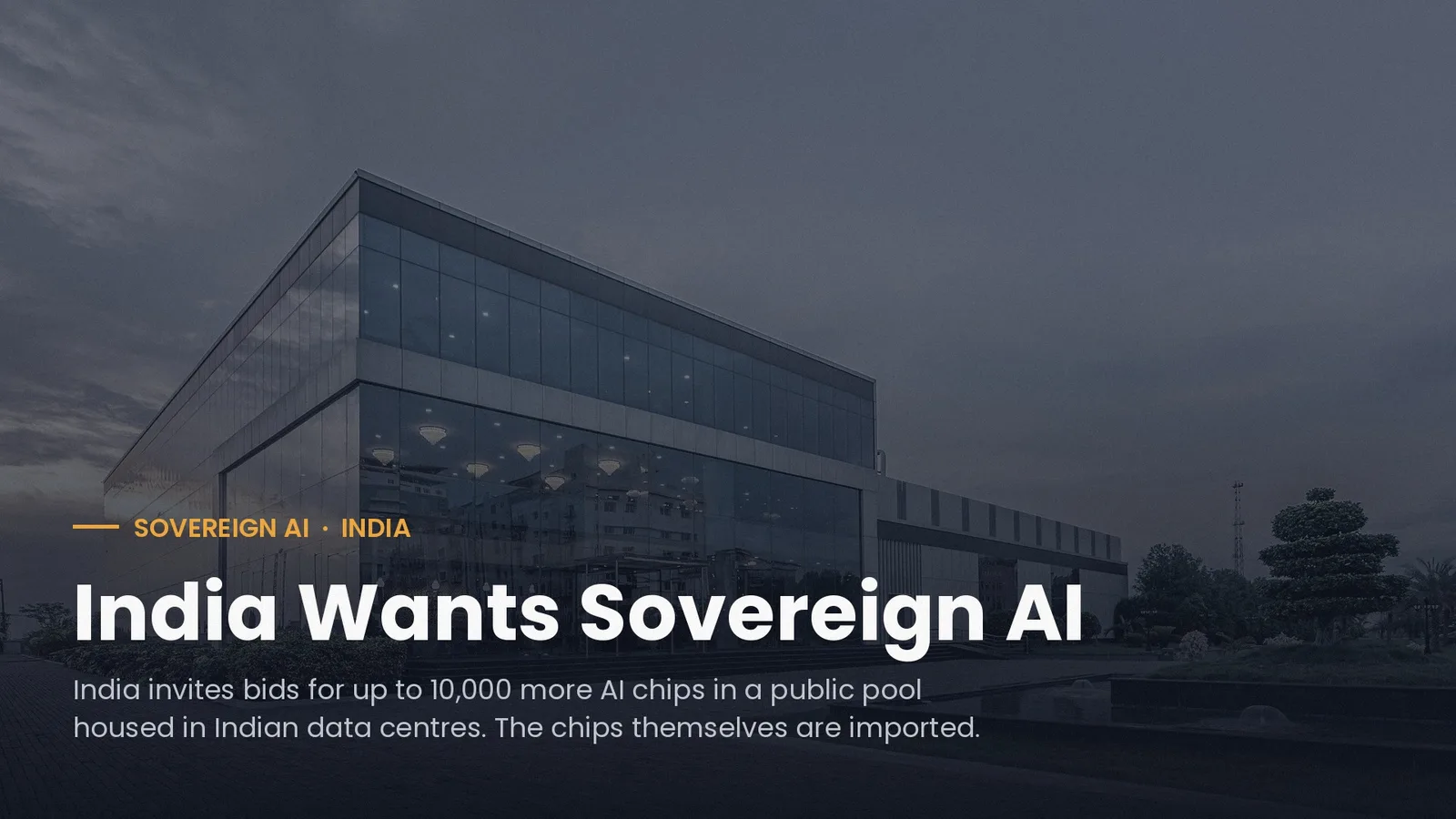
Photo: Pi Data Center, Vijayawada, Andhra Pradesh by PiDatacenters, via Wikimedia Commons, licensed CC BY-SA 4.0. Cropped, with text overlay added.