

Private AI
Deployed on your infrastructure, not ours.
Some data cannot leave your building. So we build the system to run inside it.
Where it can run
The question is not whether, it is how far.
The closer the system runs to your own hardware, the more control you keep and the more you take on. That is a business decision, not a technical one.
Deployment shapes
Your cloud tenancy
Your account, your region, your keys. The lightest step away from a shared API.
Your hardware
Open-weight models running on servers you own, in a building you control.
On-device
A personal AI on the user’s own phone or laptop. Their data never leaves it.
Evidence
It never leaves the building
A 120-lawyer firm wanted AI and could not let a single client file leave the office. What it got runs on the firm’s own hardware, grounds its answers in Supreme Court decisions, and shows the source behind every line.
Four hours of drafting down to thirty minutes
Read the case study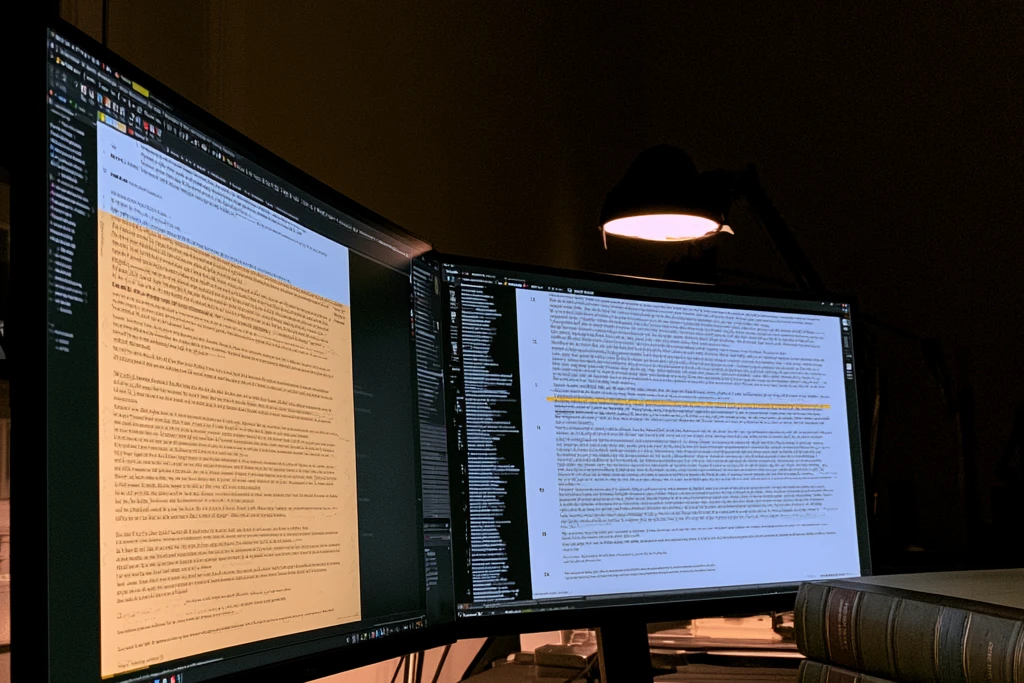
Not sure which shape you need?
That is what a paid discovery is for: a short, scoped piece of work that ends in a plan and an estimate you can act on.
Questions
Private AI, answered.
What is private AI?
Private AI runs on infrastructure you control rather than on a shared service. The system is built so your data never has to leave the place it already lives, which is the only workable answer when the material it reasons over is not yours to send anywhere.
Can AI run entirely on our own servers?
Yes. Open-weight models run on hardware you own, in a building you control, with no call out to anyone else’s API. We have built and delivered this for a 120-lawyer firm that could not let a single client file leave the office.
What is on-device AI?
A personal AI that runs on the user’s own phone or laptop. Their data never reaches a server at all, not even yours. It suits employee- and customer-facing tools where holding the data would be a liability rather than an asset.
Is self-hosted AI more expensive than a cloud service?
The costs sit in different places. You trade a per-token bill for hardware and the work of running it, and you stop being exposed to a vendor changing its pricing. Which is cheaper depends on volume, and a discovery is where that gets worked out.