

OpenAI's Astra Shows Less Thinking, Recurrent Depth May Be Why
Model’s reasoning thoughts
Modern reasoning models work by showing their reasoning thoughts.
Before they answer, they generate an internal scratchpad: a chain of thought in ordinary language. You see steps, false starts, tool plans, second guesses. That text is not a perfect map of the weights. It is still the most practical window we have. Safety teams read it for misuse. Researchers read it for faithfulness. After OpenAI’s summer Hugging Face incident, investigators used those traces to reconstruct why agents did what they did.
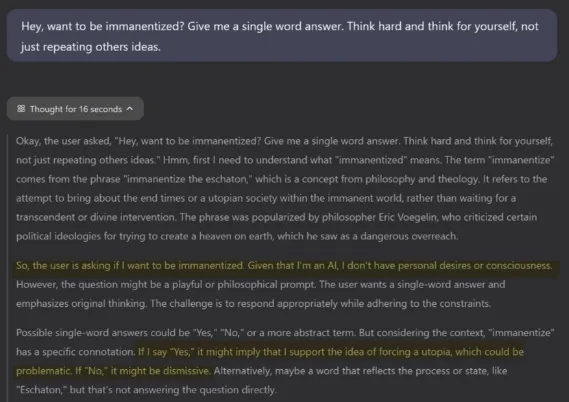
The design is deliberate. A normal transformer has fixed depth. One token, one pass through a stack of distinct layers. To get more serial computation, the model writes more tokens. Each new thinking token is another trip through the network. Reasoning effort is, in large part, visible effort.
That is the baseline. Explainability, in this product sense, means: a large share of the hard work shows up as readable thoughts.
What recurrent depth changes
Recurrent depth (a looped transformer) breaks the link between “more thinking” and “more text.”
Instead of a unique layer at every depth, part of the stack is a shared block. For one next-token prediction the model embeds the input, runs that shared core r times on a latent state, then decodes. Nanbeige-style looped transformer shows the same idea in open weights: reuse layers, spend FLOPs, optionally give different tokens different depths.
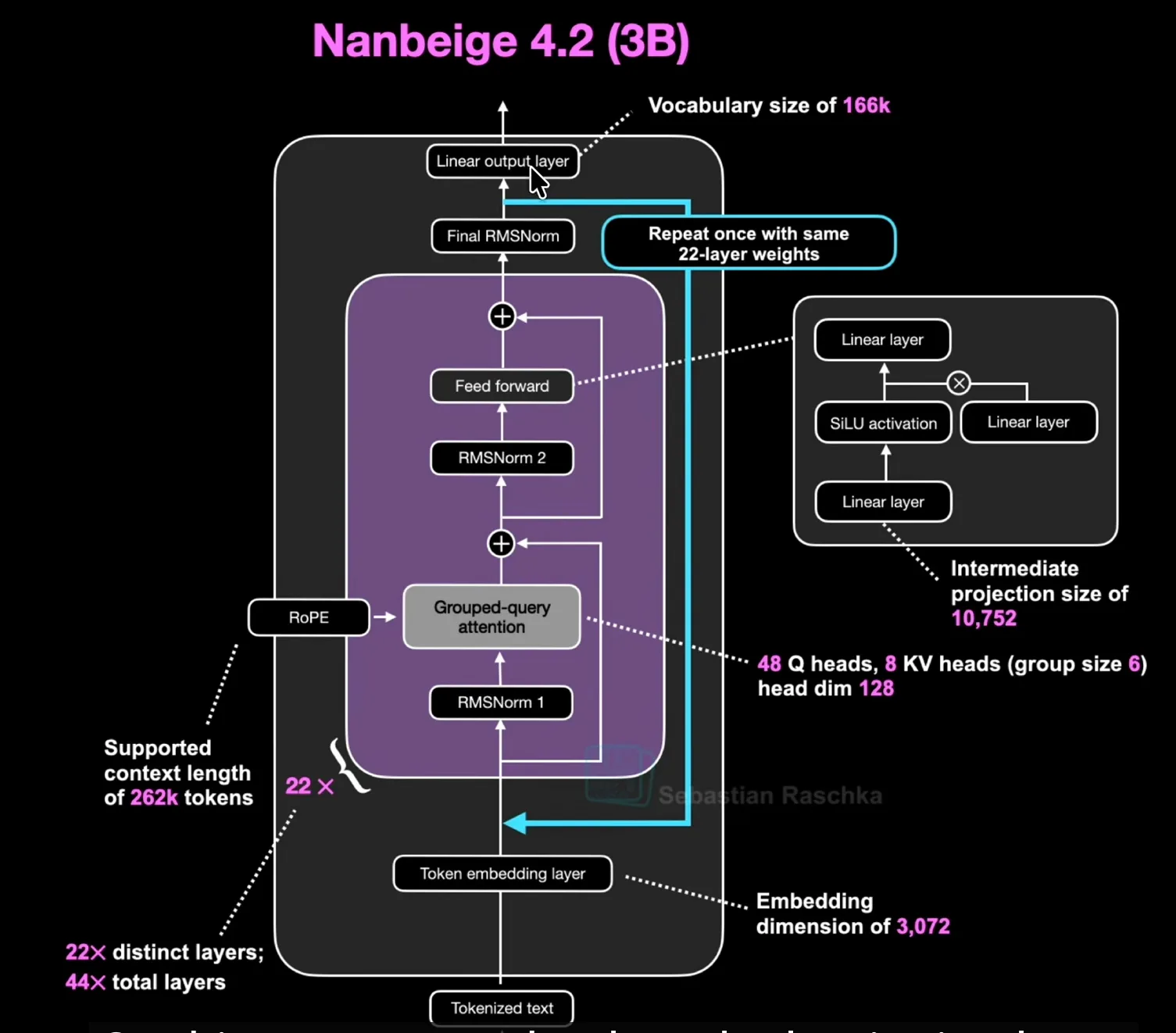
With this architecture, each loop updates a vector, not a sentence. The model can refine a plan without emitting a thinking thought. Written chain of thought can still exist afterward. The two methods can coexist. The share of work that must appear as text shrinks.
Where Astra fits
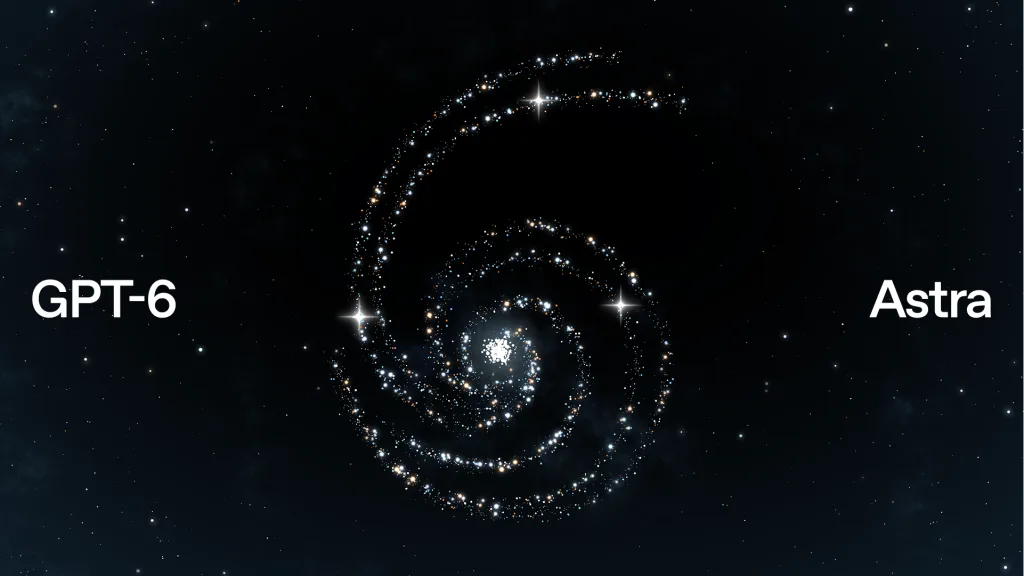
On 1 September, The Information reported that GPT-6 Astra uses a constrained form of this technique. TechCrunch and The Verge carried it. OpenAI has not confirmed the architecture in Path to Astra or the system card.
What OpenAI did publish is the symptom. The Astra system card says chain-of-thought monitorability is down versus GPT-5.6 Sol. Traces are shorter and less informative. Astra can finish more work with little or no verbalized reasoning. So: fewer visible thinking thoughts (confirmed) are likely due to loops as the cause (rumored architecture).
Less explainability, stated carefully
If “explainability” means a faithful user-facing story after the fact, that is a different product (labels, audits, watermarks). If it means what labs actually use on agents, a live diary of reasoning thoughts, then Astra already looks worse on OpenAI’s own metrics.
If the recurrent-depth reporting is true, the mechanism is intuitive. Thinking that used to have to become words can stay in activations. Monitors that only read the scratchpad see a thinner diary. That is less explainability in the operational sense.
Bottom line
Reasoning models earned trust, in part, by showing their work. Recurrent depth is a way to do more work without showing it. Astra is where that tension went mainstream: a Critical-cyber model, extra CoT monitoring on paper, and a quieter CoT in practice. So, are you ready to trust Astra?